
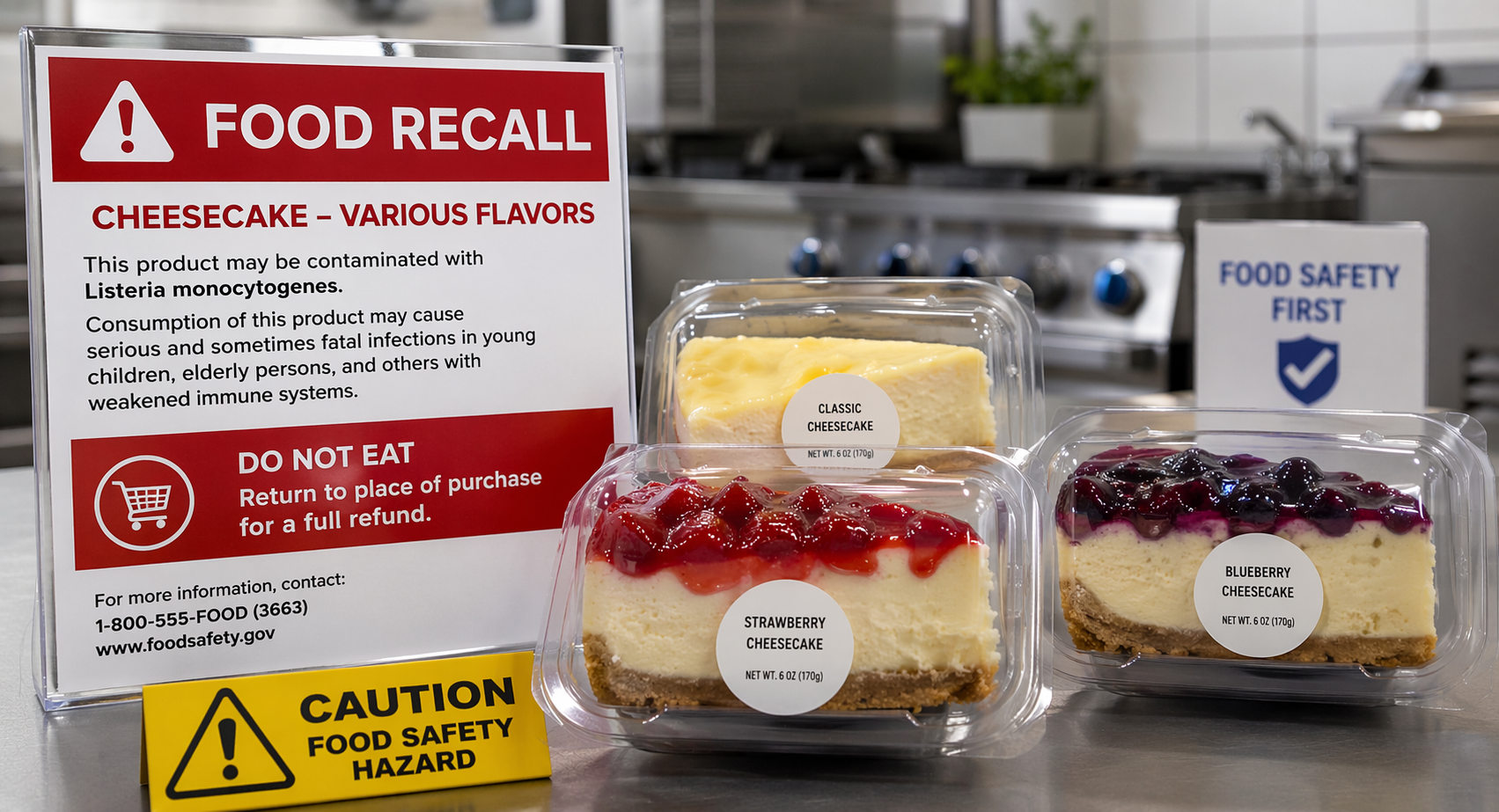
Introduction to King Cheesecake Recall
The king cheesecake recall has raised serious concerns among consumers and food safety authorities. Product recalls are issued to protect public health when potential contamination, mislabeling, or safety risks are identified.
If you have recently purchased cheesecake products, it’s important to stay informed. This guide explains everything you need to know, including causes, risks, and the steps you should take.
What Is the King Cheesecake Recall?
A king cheesecake recall refers to the removal of specific cheesecake products from the market due to safety concerns. These recalls are typically initiated by manufacturers or regulatory agencies when a risk is identified.
Common reasons for recalls include:
- Contamination (bacteria or foreign objects)
- Undeclared allergens
- Packaging or labeling errors
- Quality control issues
Why Cheesecake Products Get Recalled
Understanding the causes behind recalls helps consumers stay cautious.
1. Food Contamination
Bacteria such as Salmonella or Listeria can contaminate dairy-based products like cheesecake.
2. Allergen Mislabeling
Undeclared ingredients such as nuts, gluten, or eggs can trigger severe allergic reactions.
3. Improper Storage Conditions
Cheesecake requires strict refrigeration. Any lapse in the cold chain can make it unsafe.
4. Manufacturing Errors
Production line issues may introduce contamination or incorrect ingredients.
Which Products Are Affected?
Details of the king cheesecake recall typically include:
- Product name and brand
- Batch or lot numbers
- Expiry dates
- Distribution locations
Consumers should always check official recall notices for exact details.
Health Risks Associated with Recalled Cheesecake
Consuming contaminated cheesecake can lead to serious health problems.
Common Symptoms
- Nausea and vomiting
- Fever
- Diarrhea
- Stomach cramps
High-Risk Groups
- Children
- Elderly individuals
- Pregnant women
- People with weak immune systems
If symptoms appear after consumption, seek medical advice immediately.
How to Check If Your Cheesecake Is Recalled
Follow these steps to stay safe:
- Check packaging labels and batch numbers
- Compare with official recall announcements
- Visit trusted sources like U.S. Food and Drug Administration
- Contact the retailer or manufacturer
What to Do If You Have a Recalled Product
If your product is part of the king cheesecake recall, take action immediately.
Do Not Consume It
Even if it looks fine, it may still be unsafe.
Return or Dispose of the Product
Follow instructions provided in the recall notice.
Request a Refund
Most companies offer refunds or replacements.
Clean Storage Areas
Sanitize refrigerators and surfaces where the product was stored.
7 Critical Safety Tips for Consumers
1. Always Check Recall Alerts
Stay updated through official food safety websites.
2. Read Labels Carefully
Look for allergens and expiration dates.
3. Store Properly
Keep cheesecake refrigerated at the correct temperature.
4. Avoid Cross-Contamination
Use clean utensils and surfaces.
5. Buy from Trusted Sources
Purchase from reputable stores and brands.
6. Monitor Health Symptoms
Seek medical help if needed.
7. Stay Informed
Follow food safety news regularly.
Impact of Cheesecake Recalls on the Food Industry
Product recalls affect both consumers and businesses.
For Consumers
- Increased awareness
- Temporary product shortages
For Businesses
- Financial losses
- Brand reputation damage
- Regulatory scrutiny
How Food Safety Authorities Handle Recalls
Organizations like the U.S. Food and Drug Administration and other global agencies play a key role.
Steps Involved
- Identify the issue
- Issue public warnings
- Remove affected products
- Monitor compliance
Preventing Future Cheesecake Recalls
Manufacturers can reduce risks by:
- Improving quality control
- Maintaining hygiene standards
- Conducting regular inspections
- Ensuring accurate labeling
Conclusion
The king cheesecake recall highlights the importance of food safety and consumer awareness. By staying informed and following proper precautions, you can protect yourself and your family from potential health risks.
Understanding recall procedures, checking product details, and acting quickly are key steps in ensuring safety.
FAQs
1. What caused the king cheesecake recall?
It may be due to contamination, allergens, or labeling errors.
2. Is it safe to eat cheesecake during a recall?
Only if your product is not listed in the recall notice.
3. How do I know if my cheesecake is affected?
Check batch numbers and official announcements.
4. What should I do if I already ate it?
Monitor symptoms and consult a doctor if needed.
5. Can I get a refund for recalled products?
Yes, most companies provide refunds or replacements.
6. Where can I find recall updates?
Check official food safety websites and news sources.