
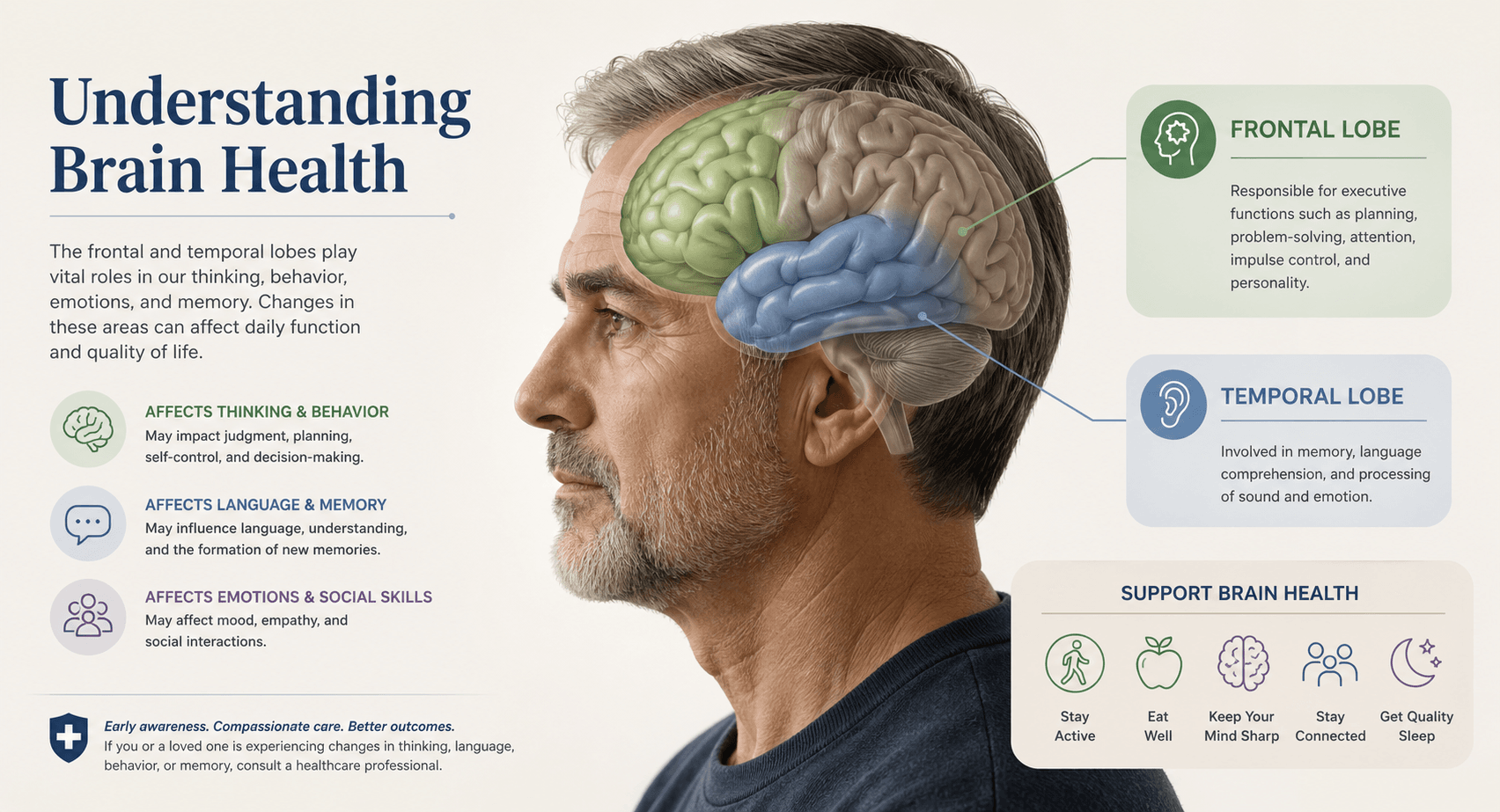
What Is Frontotemporal Dementia
Frontotemporal dementia is a group of brain disorders caused by progressive nerve cell loss. Unlike other forms of dementia, it often appears at a younger age, typically between 40 and 65.
The disease leads to changes in personality, behavior, and communication. Memory may remain relatively intact in early stages, which makes it different from Alzheimer’s disease.
Bruce Willis Diagnosis Explained
Bruce Willis was initially diagnosed with aphasia in 2022, a condition affecting language and communication. Later, his diagnosis was updated to frontotemporal dementia.
This progression is common, as early symptoms of FTD often overlap with other neurological conditions. The updated diagnosis helped clarify the underlying cause of his symptoms.
Key Symptoms of FTD
Behavioral Changes
Patients may show unusual behavior, lack of empathy, or poor judgment. Personality changes are often one of the first signs.
Language Difficulties
Speech and comprehension become harder over time. This can include trouble finding words or understanding conversations.
Emotional Changes
Mood swings, apathy, or inappropriate emotional responses are common. These changes can affect relationships and daily interactions.
Cognitive Decline
While memory is less affected initially, decision-making and planning abilities decline. This impacts independence over time.
Causes and Risk Factors
The exact cause of frontotemporal dementia is not always clear. It is linked to abnormal protein buildup in brain cells, which damages neurons.
Genetics can play a role, especially in families with a history of neurological disorders. However, many cases occur without a known inherited cause.
How FTD Differs from Alzheimer’s Disease
FTD mainly affects behavior and language, while Alzheimer’s primarily impacts memory.
Another key difference is age of onset. FTD often appears earlier, making it more disruptive during active working years.
Understanding these differences helps with accurate diagnosis and care planning.
Diagnosis and Medical Evaluation
Doctors use a combination of neurological exams, brain imaging, and cognitive tests to diagnose FTD.
There is no single test for the condition, so diagnosis involves ruling out other disorders. Early detection is important for managing symptoms effectively.
Treatment and Management
There is currently no cure for frontotemporal dementia. Treatment focuses on managing symptoms and improving quality of life.
Medications may help control mood changes or behavioral issues. Speech therapy can support communication abilities.
Care from family members and healthcare professionals is essential. Support systems play a major role in daily management.
Impact on Daily Life
FTD affects independence, relationships, and professional life. Patients may struggle with communication and social interactions.
Families often take on caregiving roles, which can be emotionally and physically demanding. Awareness and support are crucial.
Raising Awareness Through Bruce Willis
Bruce Willis’s diagnosis has increased global awareness of FTD. His family’s openness has helped educate the public about this condition.
This awareness encourages early diagnosis and better support for those affected. It also highlights the importance of neurological research.
Living with Frontotemporal Dementia
Living with FTD requires adaptation and support. Structured routines and a calm environment can help manage symptoms.
Caregivers should seek professional guidance and emotional support. Community resources can also provide assistance.
FAQs
What disease does Bruce Willis have
Bruce Willis has frontotemporal dementia, a condition affecting behavior, personality, and language.
What is frontotemporal dementia
It is a neurodegenerative disorder that damages the frontal and temporal lobes of the brain.
Is FTD curable
No, there is currently no cure, but treatments can help manage symptoms.
What are early signs of FTD
Early signs include personality changes, language difficulties, and unusual behavior.
How is FTD different from Alzheimer’s
FTD affects behavior and language first, while Alzheimer’s mainly affects memory.
Conclusion
Bruce Willis disease, identified as frontotemporal dementia, is a complex and challenging condition. It affects not only the patient but also their loved ones.
Understanding its symptoms, causes, and impact is essential for awareness and support. With growing attention, there is hope for better research and improved care in the future.